By: Emily Hill, December 8, 2025
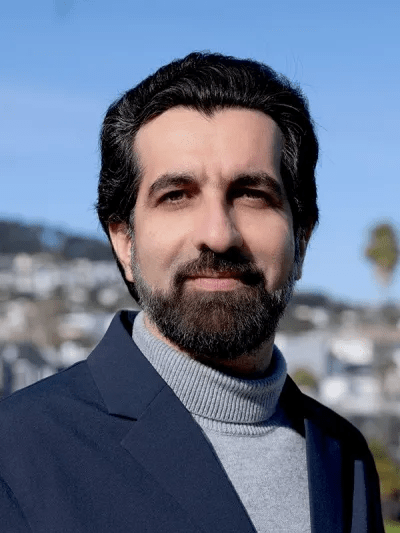
Last month, people at the University of Oklahoma were shocked when Dr. Vahid Abedini, an assistant professor of Iranian and Middle Eastern Studies, was arrested by federal immigration agents while boarding a plane at Will Rogers International Airport. Dr. Abedini had a valid H1B visa, which should have allowed him to live and work in the United States without issues.
He was on his way to an academic conference when he was detained. The news spread quickly on campus, and students and coworkers were stunned. Many said he had already become a respected and well liked part of the department.
Three days later, Dr. Abedini was released from ICE custody, which brought a lot of relief. Still, the whole situation left people uneasy. It showed how vulnerable international scholars can be, even when they have the correct paperwork and follow every rule.
Dr. Abedini had done everything by the book, yet he was still detained. His experience makes it clear that even visa holders are not always safe from unexpected immigration actions. It also shows how uncertain and stressful the immigration system has become for scholars, no matter their academic achievements or support from their university.
Universities like OU rely on international faculty to bring new ideas and perspectives, especially in areas like Middle Eastern studies. An incident like this, where a professor is detained while traveling for normal academic reasons, raises real concerns about whether foreign born educators can count on stable and safe working conditions. It may also discourage future scholars from taking jobs in the U.S. or make them more cautious.
The strong support Dr. Abedini received from students, coworkers, and the broader academic community shows how much he mattered to the campus. But it also brings up a bigger issue. Schools and institutions need to think about how they can better protect international faculty from sudden disruptions. When any international scholar can be detained without warning, it shows the need for clearer protections, more transparency, and stronger advocacy.
 Texas Sweethearts DEI Forum
Leave a comment