By: Jayla Moore, December 8. 2025
The U.S. Supreme Court declined to hear an appeal in a controversial case from Llano County,
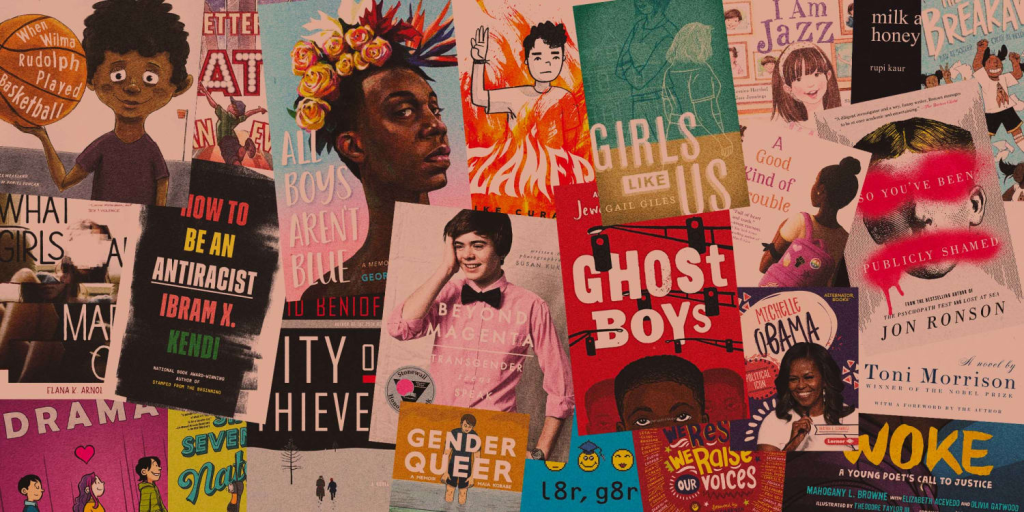
Texas, leaving in place a ruling that allows the removal of 17 books from public libraries- many
of which explore themes of race, gender, sexuality, identity, and belonging.
The dispute began when local officials and some residents requested that certain titles be
removed from the public library shelves. The targeted books included titles dealing with race,
LGBTQ+ identity, puberty and body issues, and other subjects often marginalized or stigmatized
(including youth‑oriented and children’s books).
In 2023, a federal court ordered the books be returned. But in May 2025, the Fifth U.S. Circuit
Court of Appeals overturned that ruling in a 10–7 decision. The Court held that public libraries
are not legally required to maintain any particular set of books- patrons do not have a
constitutional “right to receive information” in the form of taxpayer-funded library holdings.
Removing books, the court said, does not constitute a ban under the First Amendment, because
the materials remain available through other means.
With the Supreme Court declining to review the case, the appeals court’s decision stands giving
local governments and library boards wide latitude to remove books based on content or
viewpoint.
Public libraries serve as vital spaces for learning, exploration, and inclusion. When books that
reflect marginalized identities or difficult topics are removed, it limits access to diverse
perspectives and sends a message that certain voices are less valued or welcome. This is
particularly significant for young people, who may rely on these resources to see their identities
reflected and to understand the experiences of others.
As public institutions relinquish their responsibility to maintain inclusive collections, the burden
falls on communities and individuals to speak up, support representation, and safeguard spaces
of belonging. Equity and inclusion are not only about access to services—they are also about
who gets to be seen, whose stories are told, and whose voices matter.
Source:
 Texas Sweethearts DEI Forum
Leave a comment